The next few years are a make-or-break moment for global efforts to tackle the climate crisis. The window of opportunity to keep global average temperature rise below 1.5°C – a critical threshold beyond which some of the impacts of climate change become irreversible – is quickly closing. According to some recent studies, it may have already closed.
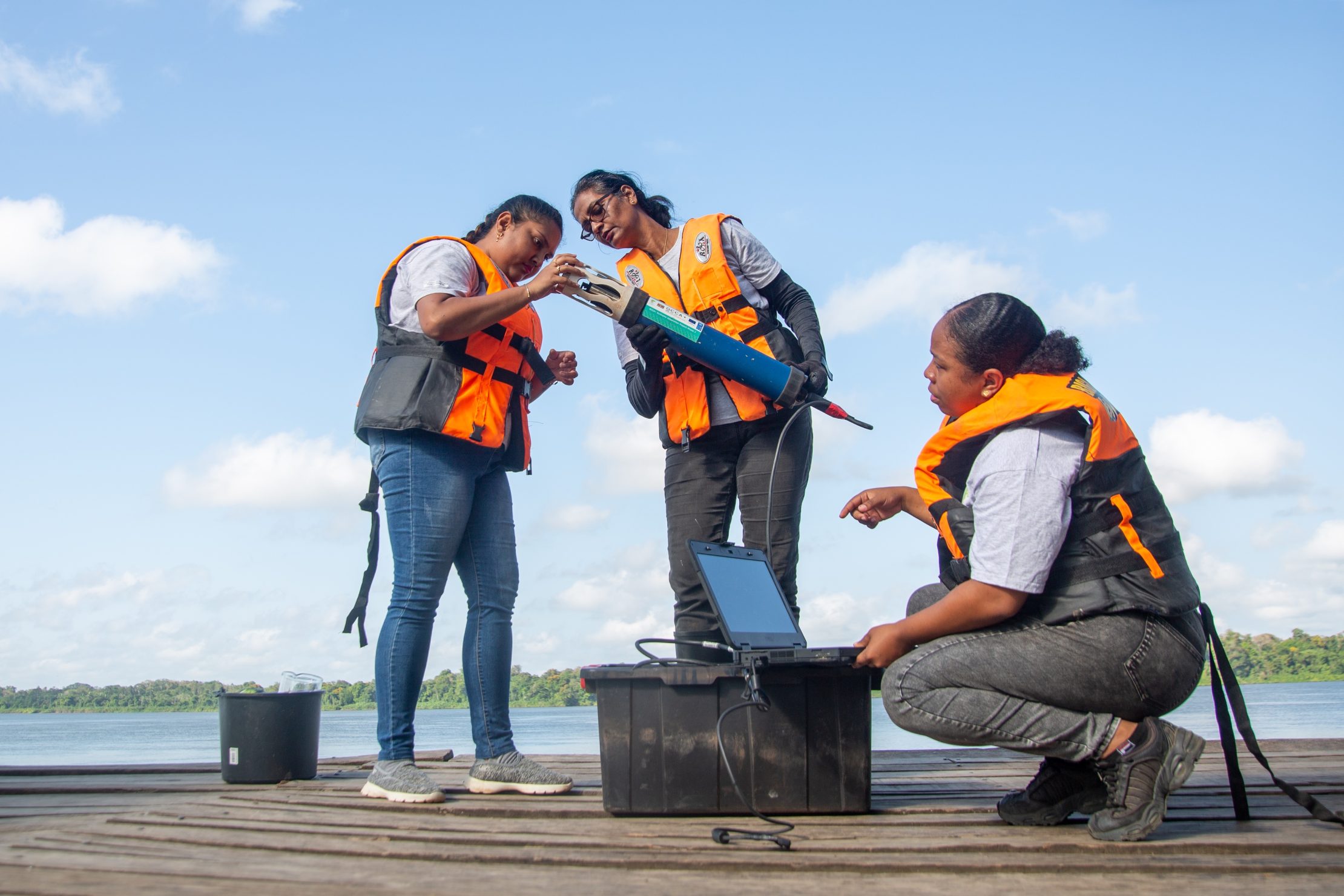
But every fraction of a degree matters and countries must come together to accelerate rapid, sustained and large-scale climate action to limit warming as much as possible. In this context, the next round of national climate pledges under the Paris Agreement, or Nationally Determined Contributions (NDCs), offer a vital chance to radically alter our course, transforming the global economy into one that is low-carbon, resilient and inclusive. In this process, it is crucial that we recognize the rights, needs and priorities of those who already shoulder a bigger share of climate change impacts, from women and young people to Indigenous Peoples and communities in the Global South. We must also support these groups to lead on climate action, as unequal access to the implementation of climate solutions can compound or even exacerbate social and gender-based inequalities.
At COP29, the Enhanced Lima Work Programme on Gender was extended for 10 years, reaffirming the crucial role of gender equality and women’s empowerment for climate action and, ultimately, reaching the goals of the Paris Agreement. This decision also reiterated the importance of gender-transformative implementation and means of implementation for increasing ambition in climate policy and action and enabling a just transition of the workforce.
Given the multiple benefits that gender-transformative approaches in climate policy frameworks and implementation plans can bring, countries must consider how to strengthen them in their next round of NDCs. In order to do so, they have to overcome some persisting challenges:
- Women and girls from diverse backgrounds are increasingly taking leadership roles in decision-making, planning and implementation processes for climate action. But despite some progress in advancing their meaningful, informed and effective participation and engagement, structural inequalities can still limit their ability to get involved and hinder empowerment.
- At the same time, there is still a lot of work to be done to achieve gender-transformative climate action across the board. While most countries have integrated a range of gender equality considerations in their current NDCs, they do not always include specific measures in their implementation plans or strategies. Moreover, even when specific priorities are mentioned, they do not all translate into concrete and sustainable actions due to lack of resources and institutional capacity.
- Most governments are working to ensure that they are building up the expertise and knowledge to implement climate action. However, further progress is needed in developing ongoing capacity development processes and structures, especially those that target women and other underrepresented groups. For example, globally, women represent only 32 percent of the workforce in the renewable energy sector. Even though this is higher than their participation in the conventional energy sector, which lags at 22 percent, many of the jobs that women occupy in the renewable energy sector are administrative roles, while men occupy almost three quarters of jobs related to science, technology, engineering and mathematics (STEM).
- There are also persistent barriers limiting women’s access to climate finance. Finance is key to supporting women’s contributions to climate solutions and providing them with training and new skills that ensure their participation in a low-carbon economy. However, financing frameworks and strategies do not always include specific measures to ensure women’s economic empowerment. For example, in 2019, only 2 percent of global climate finance reached small farmers, Indigenous Peoples and local communities in the Global South. Moreover, climate finance flows largely exclude women, girls, Indigenous women and women with disabilities.
- In many countries, Indigenous women’s knowledge is a key element of climate solutions. But this knowledge is sometimes at risk as efforts to recognize, assess, apply and preserve it are limited. To ensure that climate action is more effective and contextually relevant, with local ownership and larger impact, increased recognition and conservation of Indigenous women’s knowledge is needed.